Main Menu
Filters | |
Wiper Blades | |
Lighting | |
PPE | |
Other Products |

In the fast-paced world of car repair, it's easy to get caught up in the immediate – flat tires, failing brakes, and check engine lights. But for any service professional who wants to build trust and long-term customer relationships, preventive maintenance (PM) has become the cornerstone of success.
This article dives deep into the world of PM, equipping you with the knowledge and tools to effectively educate your customers and ensure their vehicles stay on the road for miles to come.
The Power of Prevention
PM isn't just about oil changes (though those are crucial!). It's a comprehensive approach that identifies and addresses potential problems before they become major repairs. This not only saves your customers money in the long run but also fosters trust and loyalty.
Here's a breakdown of the benefits of PM:
Reduced Repair Costs: Catching minor issues early on prevents them from snowballing into expensive repairs.
Improved Vehicle Performance: Regular maintenance keeps your customer's car running smoothly and efficiently.
Enhanced Safety: PM ensures critical components function properly, contributing to overall vehicle safety.
Extended Vehicle Lifespan: By taking care of a car, you can significantly extend its lifespan.
Increased Customer Satisfaction: Happy customers with reliable vehicles are more likely to return for future services.
Building a PM Routine
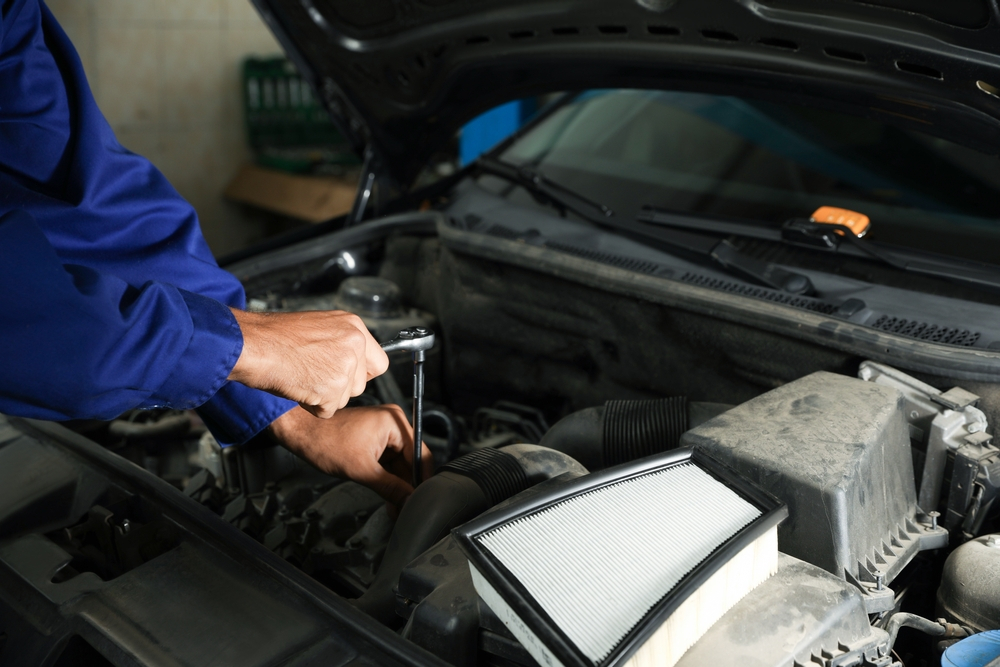
Every car is different, with specific manufacturer recommendations for maintenance intervals. However, you can create a general PM routine that covers essential checks and services:
Oil Changes and Filter Replacements: The lifeblood of PM, oil changes remove contaminants and ensure proper engine lubrication.
Filter Replacements: Replace air filters, cabin air filters, and fuel filters regularly to maintain optimal performance and air quality.
Fluid Level Checks and Top-Offs: Check engine oil, coolant, brake fluid, power steering fluid, and windshield washer fluid regularly, topping them off as needed.
Tire Inspections and Rotation: Inspect tires for wear and tear, including tread depth and proper inflation pressure. Rotate tires based on miles driven.
Battery Inspection: Visually inspect the battery for corrosion and test the battery’s capacity.
Wiper Blades: Regularly check the front and rear wiper blades for tears and overall wipe quality.
Visual Inspection: Perform a thorough visual inspection of belts and hoses for cracks, leaks, or damage.
Making the Case for Fluid Exchange
Fluids are the lifeblood of a car's various systems. Over time, these fluids can break down, become contaminated, or lose their effectiveness. Fluid exchange is a proactive way to maintain optimal performance and prevent costly repairs down the road.
Here's a breakdown of key fluid exchanges and their benefits:
Engine Coolant Exchange: Coolant regulates engine temperature. Exchanging the fluid removes debris and old coolant, preventing overheating and corrosion.
Transmission Fluid Exchange: Transmission fluid lubricates bearings and other metal parts in the gearbox to prevent damage and minimize wear. Replacing old transmission fluid can improve shifting performance and extend the life of the transmission.
Brake Fluid Exchange: Brake fluid transmits pressure during braking. A fluid exchange removes moisture (which can lead to boiling) and ensures optimal braking performance.
Power Steering Fluid Exchange: Power steering fluid assists steering. Exchanging power steering fluid removes contaminants and improves steering responsiveness.
Important Considerations Before Exchanging Fluids
Not all vehicles require regular fluid exchanges, here's what to keep in mind:
Manufacturer Recommendations: Always refer to the owner's manual for specific fluid service recommendations.
Vehicle Age and Mileage: When to exchange fluids often depends on a car's age, mileage, and service history. For high-mileage vehicles, it’s important to review the service history of the vehicle before doing any PM service.
Fluid Condition: Visually inspect fluids to assess their condition. Burning or discolored fluids might indicate the need for service.
Educating Your Customers
The key to promoting PM services is clear communication with your customers. Here are some tips:
Explain the benefits: Highlight how PM can save money, improve performance, and extend vehicle life.
Tailor recommendations: Base your recommendations on the specific vehicle, its age, mileage, and driving habits.
Use visuals: Show customers worn-out parts to emphasize the importance of PM.
Offer packages: Create PM packages that bundle essential services at a discounted rate.
Transparency with pricing: Be upfront about costs associated with PM.
Becoming a PM Advocate
By actively promoting PM, you're helping your customers avoid costly breakdowns and ensure their vehicles become reliable companions for years to come. This not only positions you as a trusted advisor but also helps build a loyal customer base that keeps your PM service bays busy.
Here are some additional ways to solidify your role as a PM advocate:
Stay Updated: Keep yourself updated on the latest manufacturer recommendations and best practices for PM services.
Invest in Training: Encourage your technicians to participate in training programs that focus on PM procedures.
Utilize Technology: Many manufacturers offer online service portals with interactive maintenance schedules. Utilize these tools to educate your customers and create personalized service reminders.
Embrace Digital Marketing: Create informative content (articles, videos) about the importance of PM and share it on your website and social media channels.
Offer Incentives: Consider loyalty programs that reward customers for adhering to regular PM schedules.
By taking a proactive approach to PM, you can transform your quick service facility into a preventive vehicle care center. This not only benefits your customers but also fosters long-term business success in a competitive automotive landscape. Happy customers with reliable vehicles are the cornerstone of a thriving car service business.
- Share
- Tweet