Main Menu
Filters | |
Wiper Blades | |
Lighting | |
PPE | |
Other Products |

More consumers are looking toward premium oil changes to extend the frequency of the service. They realize that less trips to the service center will mean less fuel cost and less time invested on their part. In order to properly maintain these engines, choosing the correct oil is fairly simple by upgrading to the correct full synthetic oil that provides 10,000 miles of protection. However, the accompanying oil filter must also have the ability to perform for at least the same 10,000 miles.
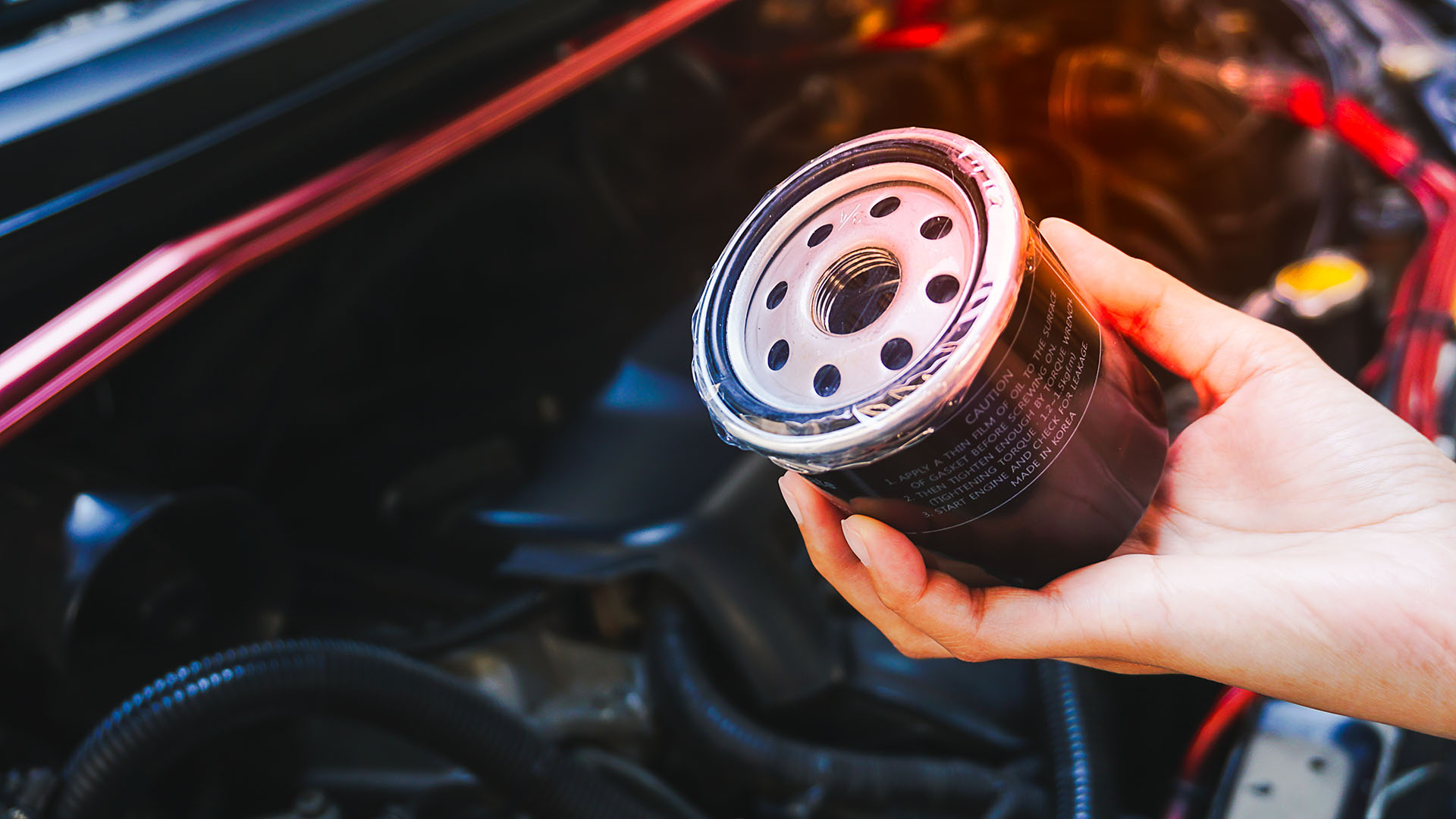
When filter manufacturers describe the attributes of their premium oil filter, first and foremost they highlight the micron rating. Microns are the unit of measurement used to describe the size of the particles in the engine oil. Most testing is based on particles that are sized at 20 microns, and the generally accepted method of testing is through multi-pass testing (sometimes referred to as Beta ratio testing). This test is recognized by most of the automotive engineering and standards organizations.
Under the multi-pass testing, a “standard” oil filter media will usually operate at 92 to 95% efficiency for 20 micron particles. Meaning that 92 to 95% of the 20 micron particles are trapped by the media in a multi-pass environment. On the other hand, a “premium” oil filter has a much more efficient filtering media which should yield a 99% rating for 20 micron particles in multi-pass testing. But this improved media is only one component to consider when choosing a premium oil filter.
As crucial for proper lubrication performance during the 10,000 interval is the gasket material inside the oil filter. Standard oil filters use natural rubber to manufacture the base plate sealing gasket as well as the check valve (anti-drain back valve). Natural rubber operates well and ensures sealing in the short term (5,000 miles or less) but this type rubber is affected by petroleum over time and it can swell or deform from the original shape. The oil effect on natural rubber is accelerated with constantly heating and cooling the engine. Extend the conditions from 5,000 to 10,000 miles and natural rubber cannot assure proper sealing performance.
A premium oil filter will have silicone components instead of rubber to guard against swelling and deformation. Many think that synthetic oil is not a petroleum product, but it does contain chemically modified petroleum components to which natural rubber will react. Silicone rubber is impervious to petroleum products and synthetic oil will not affect its shape or density.
The sealing gasket on the base plate is important, but even more important is the reliability of the check valve. This component prevents damage to the engine during startups. Without the check valve (or with a deformed check valve) when the engine is turned off, the oil in the filter will drain back into the oil pan leaving the filter empty. Then during the next start, no oil will be in the filter and the engine will run without oil until the filter re-fills and begins normal lubricating operation.
If a standard oil filter is still being used at 7,000 or 8,000 miles, the natural rubber check valve could swell or deform allowing the filter to drain each time the engine was shut down. How many times would the engine realistically be dry-started (no oil being sent from the filter for the first few seconds) until the filter is changed at 10,000 miles? Probably lots, especially driving around town. Severe damage could occur and would slowly wear down the internal engine components over time. The silicone check valve in a premium oil filter would prevent this from occurring. It stays stable and pliable the entire life… an inexpensive insurance benefit.
Full-synthetic oil only makes up half of the required components of an extended interval oil change, choosing the correct filter is just as critical to ensure proper engine maintenance.
- Share
- Tweet