Main Menu
Filters | |
Wiper Blades | |
Lighting | |
PPE | |
Other Products |

Profit margins are a key concern for businesses in the fast lube Industry, as the intense competition in the market can lead to thin profit margins. Profit margins refer to the percentage of revenue that a business retains as profit after deducting all its expenses. In the Fast Lube Industry, profit margins can be impacted by a variety of factors, including the cost of goods and services, employee salaries and benefits, rent, utilities, and marketing and advertising expenses.
What is a good profit margin for a quick lube shop?
There is no single industry benchmark, and the 2025 NOLN Operator Survey shows why. Reported gross profit margins spread across the full range, and more than a fifth of operators do not track the figure at all.
|
Reported gross profit margin |
Share of operators |
What it suggests |
|
Less than 30% |
16.2% |
Cost of goods or payroll above the norm |
|
30% to 39% |
23.0% |
Largest single band |
|
40% to 49% |
6.8% |
Thinly populated middle |
|
50% to 59% |
16.2% |
Strong pricing or service mix |
|
60% or more |
16.2% |
High attach rate on add-ons |
|
Does not track |
21.6% |
No view of which way margin is moving |
Gross and net margin are also not interchangeable. Gross margin is what remains after oil, filters, and consumables; net margin is what remains after payroll, rent, utilities, insurance, and marketing. The more useful measure is a shop’s own trend, tracked quarter over quarter.
Unveiling the Components Impacting Fast Lube Profit Margins
One way for fast lube businesses to improve their profit margins is by optimizing their pricing strategies. This could involve conducting market research to determine the right price point for their services and regularly reviewing and adjusting their prices to ensure that they remain competitive. Fast lube businesses can also improve their profit margins by controlling their expenses and finding ways to reduce costs wherever possible. This could include negotiating better deals with suppliers, streamlining operations, and investing in technologies that can help increase efficiency and reduce waste.
Analyzing Market Forces and Their Impact on Fast Lube Profitability
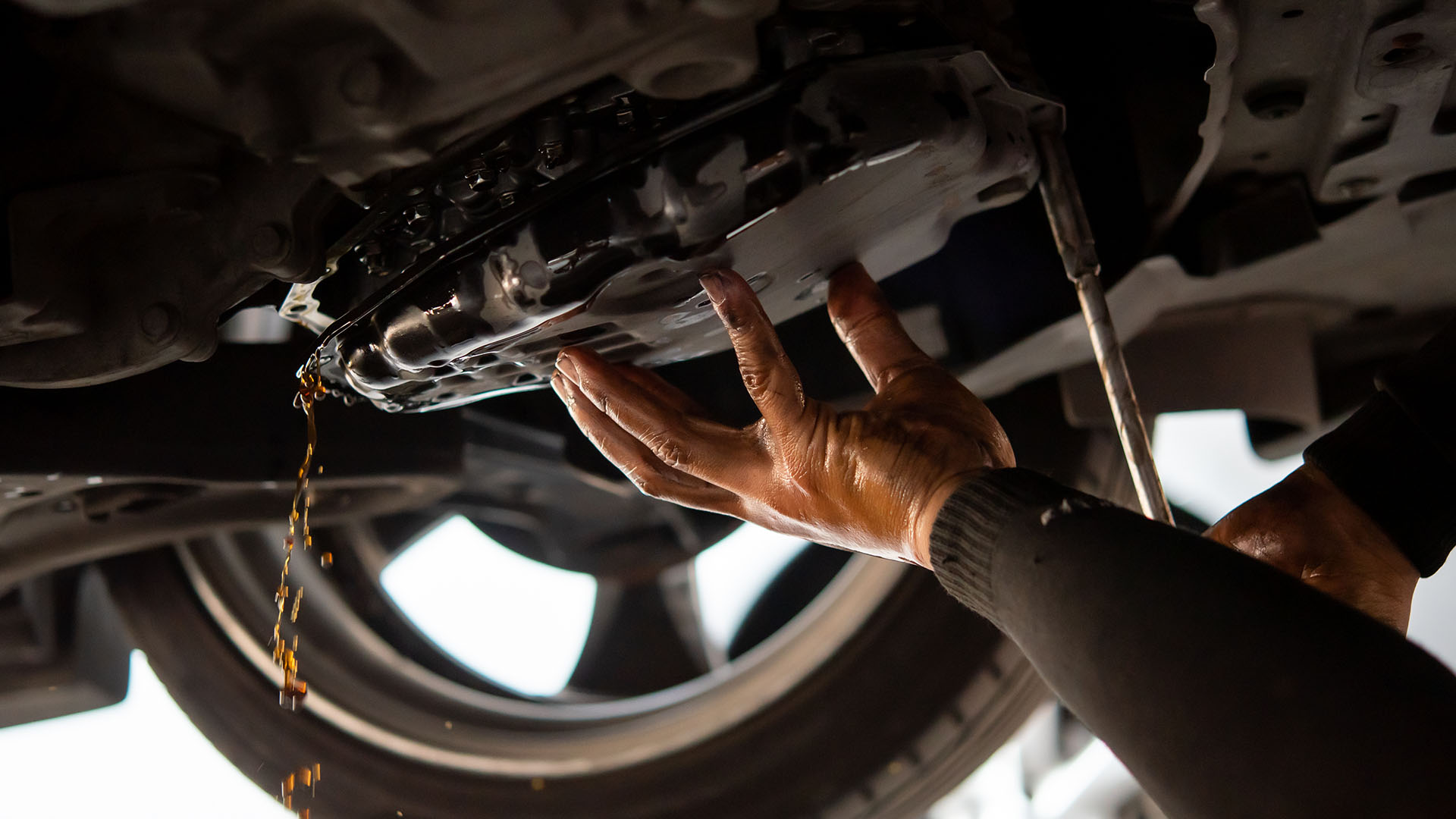
Another way for fast lube businesses to boost their profit margins is by diversifying their services. As mentioned in the Challenges Facing the Fast Lube Industry blog, the demand for traditional oil changes is likely to decline in the coming years due to the increasing prevalence of electric and hybrid vehicles. Fast lube businesses can mitigate this risk by diversifying their services and offering a range of services such as tire rotations, brake inspections, and fluid exchanges. This can help fast lube businesses develop new revenue streams and improve their overall profitability.
Are longer oil change intervals shrinking revenue?
Yes, and it is now a front-line concern.
Average miles between oil changes reached roughly 5,339 miles in 2025, and 22.1% of operators identified extended service intervals as their single biggest challenge, a significant year-over-year increase.
The same customer now generates fewer service visits per year than before. As a result, revenue increasingly has to come from each visit, rather than from a higher volume of visits.
To adapt, operators are expanding their service offerings:
-
68.4% now offer full-service repairs.
-
50.5% sell tires.
-
Preventive maintenance services and cabin air filter replacement represent some of the biggest opportunities for additional revenue.
The trend has also been building for longer than recent headlines suggest. According to S&P Global Mobility, the average age of U.S. light vehicles reached a record 12.8 years in May 2025, reinforcing the need for maintenance-focused revenue strategies.
In summary, profit margins are a critical concern for fast lube businesses. To improve their profit margins, fast lube businesses must optimize their pricing strategies, control their expenses, increase their revenue by offering new services, and invest in new technologies, systems, and training programs. This will ensure that they can deliver high-quality services to their customers and remain profitable in the long run.
Car count or ticket average, which protects margin better?
Neither is inherently more profitable. Most shops sit in the middle of both: 40.6 percent service 20 to 39 vehicles a day and 66.3 percent complete work in 20 minutes or less. The risk is running the cost structure of one model while measuring against the KPIs of the other, adding services that lengthen bay time without repricing for the throughput lost. Comeback reduction sits on the same list: correct oil filter specification, clean sealing surfaces, and consistent torque are quality standards, but they are also margin controls.
Key Takeaways
-
More than one in five operators does not track gross profit measurement, which is the first margin decision
-
Over half of shops now report a ticket average above $100; a price left untouched for years is a silent margin leak
-
Extended service intervals are now a top-three operator challenge, so revenue has to come from each visit
-
Gross and net margin are not interchangeable; most conflicting industry figures are comparing the two
-
Comeback reduction belongs on the margin list, not only the quality list
Frequently Asked Questions (FAQs)
Q1. Why are profit margins in the fast lube industry so thin?
The core service is price-visible and heavily comparison-shopped, while oil, filters, labor, rent and insurance move independently of the posted price. Any cost increase absorbed rather than priced in comes directly out of margin.
Q2. How can a quick lube shop increase margins without raising prices?
By raising revenue per visit and reducing waste: lifting attach rate on filters, wipers, and fluid services, tightening bay time, negotiating vendor terms, controlling inventory shrink, and reducing comebacks so labor is not paid twice on the same vehicle.
Q3. Does adding services improve margin or only revenue?
Both, but not automatically. Added services improve margin only when the labor time, training, and inventory they require are priced in. A service that adds $30 to the ticket but 12 minutes to bay time can reduce daily throughput enough to leave the shop flat.
Q4. What is the average ticket at a quick lube shop?
The 2025 NOLN Operator Survey found 52.5 percent of operators reporting a ticket average above $100, with a further 35.6 percent between $76 and $100. A shop still building its P&L around a sub-$75 ticket is working from an outdated cost picture. Costs have moved with it: nearly 8 in 10 shops now pay lube techs over $15 an hour on average.
- Share
- Tweet